
KT METAL CASTING LOGO

KT Metal Castings Blogs

How to Build a Flask for Sand Casting

A sand casting flask is the rigid frame that holds your sand mold together during metal casting. Building your own flask gives you complete control over size and quality while saving hundreds of dollars compared to buying commercial ones. Most hobbyist metal casters can build a sturdy wooden flask in…
How to Tell if Aluminum is Cast or Extruded

Determining whether aluminum is cast or extruded is straightforward once you know what to look for. Cast aluminum is melted and poured into molds to create complex shapes, while extruded aluminum is pushed through a die to create long, uniform profiles. You can identify the difference through visual inspection and…

Cast Aluminum vs Extruded Aluminum

Choosing between cast and extruded aluminum can make or break your project. Pick the wrong one, and you’re looking at wasted tooling costs, parts that don’t perform, or production delays that throw your timeline off by weeks. The confusion makes sense. Both processes use aluminum. Both produce strong, lightweight parts.…

How to Weld Cast Iron

Welding cast iron is challenging but completely doable when you follow the right steps. The key is understanding which type of cast iron you’re working with, properly preparing the metal, and controlling the heat throughout the entire process. Most cast iron welding failures happen because welders treat it like steel.…

What Is the Difference Between Pure Aluminum and Cast Aluminum

Pure aluminum and cast aluminum differ primarily in their composition and manufacturing method. Pure aluminum contains 99% or more aluminum with minimal additives, while cast aluminum is an alloy that combines aluminum with other metals like silicon, copper, or magnesium to improve specific properties. Aluminum Pure aluminum is one of…

Cast Aluminum vs Wrought Aluminum

You’re about to select an aluminum alloy for your next production run. Choose wrong, and you’ll face costly consequences. Over 35% of casting rejections stem from porosity issues alone. Mechanical property differences between cast and wrought aluminum reach 30-40%. These aren’t just numbers on a spec sheet—they translate directly to…

What Is Cast Aluminum

Cast aluminum is aluminum that’s been melted and poured into a mold to create a specific shape. Once the metal cools and hardens, you get a solid part that matches the exact shape of the mold—from engine blocks to cookware to outdoor furniture. This manufacturing process transforms raw aluminum into…

What Are Grinding Fluids

Grinding fluids are specialized liquids or oils used during metalworking to cool cutting tools, remove metal chips, and protect parts from rust. Think of them like the oil in your car engine – just as engine oil keeps metal parts from overheating and wearing out, grinding fluids protect both the…

What Are the Different Types of Grinding Fluids

Grinding fluids make the difference between a smooth, precise finish and a warped, burnt mess. These specialized liquids cool your workpiece, flush away metal chips, and prevent your grinding wheel from clogging up—all while protecting against rust. Choosing the wrong fluid is like using water instead of oil in your…

What is Sand Casting

Sand casting is a metal manufacturing process where you pour molten metal into a mold made from sand. Think of it like making sandcastles at the beach, except instead of water holding the sand together, you use special binding agents, and instead of filling it with air, you fill it…

CONTACT

contact Us
by email or form
Please feel free to contact us.
Email: [email protected]
We will response your inquiries within 48 hours.
Office: Weifang City, Shandong Province, China.
©︎ 2025 KT METAL CASTINGS Inc.
We Are Here To Help!
Get A Free Quote Within 48 Hours!
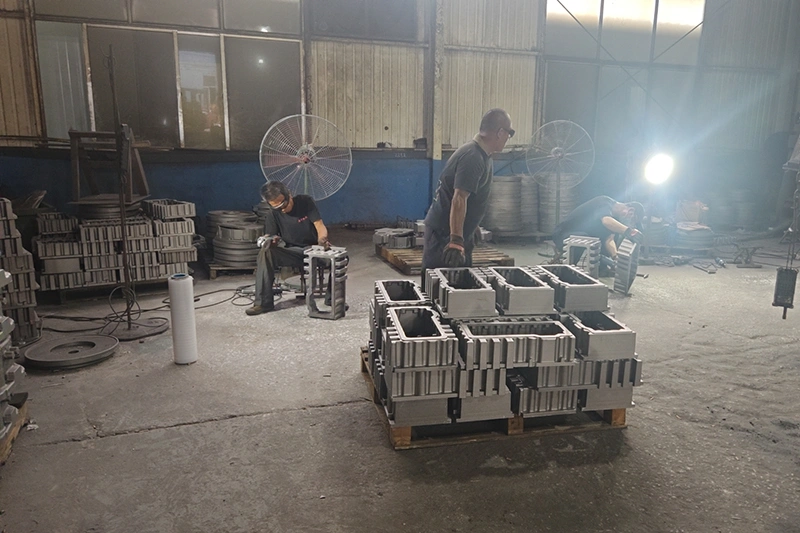
two men work in a warehouse on sand casting, with a fan providing airflow in the background