KT METAL CASTING LOGO

KT Metal Castings Blogs

Ductile Iron vs Steel: Which Material Suits Your Casting Application

Steel is often specified for “strength”–yet ductile iron delivers higher yield strength (40 ksi vs 36 ksi). That misconception costs foundries and their customers money every day. Consider this: A hydraulic bushing converted from 1144 steel to 65-45-12 ductile iron barstock resulted in a 30 percent cost reduction. The machine…
What is Forging: A Complete Beginner’s Guide

Forged parts last up to six times longer than cast equivalents under repeated stress. That single fact explains why every crankshaft in every car on the road is forged, not cast. Your vehicle contains more than 250 forged components. The crankshaft, connecting rods, wheel spindles, and suspension parts all share…

How to Melt Metal: A Beginner’s Complete Guide

Metal melting sounds intimidating. Temperatures exceeding 1000°F. Glowing liquid that can burn through skin in seconds. Equipment you’ve never used before. I’ve seen complete beginners successfully melt their first batch of aluminum in a single afternoon. You don’t need expensive gear or years of experience. You need the right metal,…

Iron vs Ductile Iron: What’s the Difference and Which Should You Choose

Spec sheets often list “cast iron” and “ductile iron” as if they’re interchangeable. They’re not. I’ve seen engineers spec gray iron for high-impact applications, only to watch parts crack after a few months in service. I’ve also watched procurement teams pay 40% more for ductile iron when gray iron would…

Types of Forging

A single Boeing 747 contains over 18,000 forged components. This reflects a fundamental truth in manufacturing: when strength and reliability matter, forging delivers what other processes cannot. But choosing the right forging method is where most engineers and procurement managers get stuck. Hot or cold? Open die or closed? The…

What Is Metal Casting

You’re staring at a custom metal part you need for your project. The terminology hits you like a wall: foundry, molten metal, die casting, sand molds. It sounds like something only engineers with decades of experience could understand. Metal casting is actually one of humanity’s oldest and most intuitive manufacturing…

Ductile Iron vs Malleable Iron

Picking the wrong cast iron can wreck your project. I’ve seen engineers spec malleable iron for high-stress applications, only to deal with cracked components three months later. The opposite mistake? Over-engineering with ductile iron when malleable would’ve saved 30% on machining costs. Here’s the thing: both materials look similar on…

Hot Rolled vs Cold Rolled Steel

Picking the wrong steel type can derail an entire project. I’ve seen engineers specify cold rolled for structural beams (wasting budget) and hot rolled for precision housings (causing dimensional nightmares). Both mistakes cost time and money that nobody has. Here’s the thing: hot rolled and cold rolled steel aren’t just…

How is Steel Made

Steel touches almost every industry you work in. Buildings, cars, ships, appliances, energy infrastructure—it’s everywhere. Here’s the thing: most professionals I’ve worked with can’t explain the difference between the two main steelmaking methods. They don’t know why one steel costs more than another, or what actually determines quality. That knowledge…

Iron vs Ductile Iron

Choosing between gray iron and ductile iron trips up even experienced engineers. Both materials belong to the cast iron family, but they behave completely differently under stress. Pick the wrong one, and you’re looking at cracked components, premature failures, or unnecessarily expensive parts. Here’s the thing: the confusion starts with…

CONTACT

contact Us
by email or form
Please feel free to contact us.
Email: [email protected]
We will response your inquiries within 48 hours.
Office: Weifang City, Shandong Province, China.
©︎ 2025 KT METAL CASTINGS Inc.
We Are Here To Help!
Get A Free Quote Within 48 Hours!
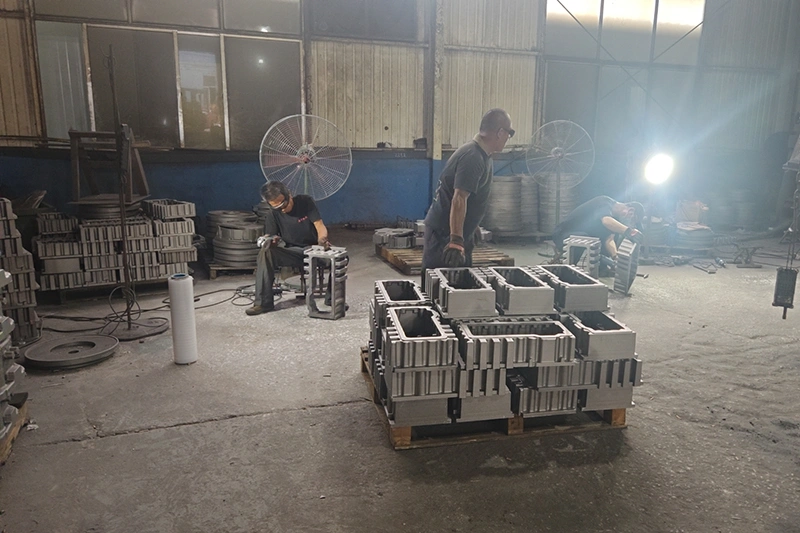
two men work in a warehouse on sand casting, with a fan providing airflow in the background