KT METAL CASTING LOGO

KT Metal Castings Blogs

What is the Yield Strength of Aluminum Alloys

The yield strength of aluminum is the stress level at which the metal permanently deforms—typically ranging from 35 MPa to 550 MPa depending on the alloy and heat treatment. When you apply force to aluminum and it doesn’t spring back to its original shape, you’ve exceeded its yield strength. This…

How to Determine the Yield Point in Aluminum

The yield point is the exact stress level where aluminum permanently deforms instead of bouncing back to its original shape. Finding this point requires a tensile test and careful analysis of the stress-strain curve, since aluminum doesn’t show an obvious yield point like steel does. Step 1: Prepare Your Test…

Cast Aluminum vs. Wrought Iron: A Comprehensive Comparison

Choosing between cast aluminum and wrought iron for your outdoor furniture, fencing, or decorative pieces comes down to understanding their key differences. Cast aluminum wins on weight, weather resistance, and low maintenance, while wrought iron offers superior strength and a classic, timeless appearance. Cast Aluminum Cast aluminum is a lightweight…

How to Choose Stick Electrodes for Welding Cast Iron

Selecting the right stick electrode for welding cast iron determines whether your weld will crack, hold strong, or fail completely. Cast iron’s high carbon content and brittleness make it one of the trickiest metals to weld, but choosing the correct electrode transforms this challenging task into a manageable project. The…

How to Make Sand Casting Cores

Making cores for sand casting is essential when you need hollow sections or complex internal features in your cast iron parts. The core creates the void spaces inside your casting that would be impossible to achieve with the mold alone. The process requires careful attention to detail but isn’t overly…

What Are Common Cast Iron Welding Mistakes

Cast iron welding fails most often because welders treat it like regular steel—but cast iron demands completely different techniques, temperatures, and preparation. These six critical mistakes can turn a simple repair into a cracked, unusable mess that’s harder to fix than the original problem. Poor Preparation and Cleaning Inadequate Cleaning…

How to Weld Cast Iron with a MIG Welder

MIG welding cast iron is challenging but achievable when you use the right materials and techniques. The key to success lies in selecting proper filler wire, maintaining low heat input, and following a careful preparation process. Cast iron’s high carbon content makes it brittle and prone to cracking during welding.…

How to Create a Cavity for Sand Casting

Creating a cavity for sand casting requires building a sand mold around a pattern that matches your desired metal part. You’ll pack special casting sand around a pattern, remove the pattern to leave a hollow space, then pour molten metal into that cavity to create your final piece. The entire…

How to Build a Flask for Sand Casting

A sand casting flask is the rigid frame that holds your sand mold together during metal casting. Building your own flask gives you complete control over size and quality while saving hundreds of dollars compared to buying commercial ones. Most hobbyist metal casters can build a sturdy wooden flask in…

How to Tell if Aluminum is Cast or Extruded

Determining whether aluminum is cast or extruded is straightforward once you know what to look for. Cast aluminum is melted and poured into molds to create complex shapes, while extruded aluminum is pushed through a die to create long, uniform profiles. You can identify the difference through visual inspection and…

CONTACT

contact Us
by email or form
Please feel free to contact us.
Email: [email protected]
We will response your inquiries within 48 hours.
Office: Weifang City, Shandong Province, China.
©︎ 2025 KT METAL CASTINGS Inc.
We Are Here To Help!
Get A Free Quote Within 48 Hours!
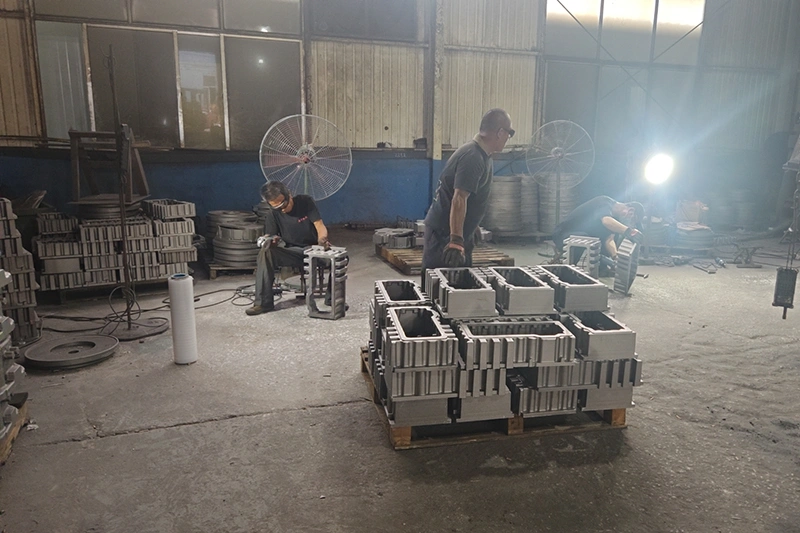
two men work in a warehouse on sand casting, with a fan providing airflow in the background