KT METAL CASTING LOGO

KT Metal Castings Blogs

What Is Casting Sand

Casting sand is the special mixture of sand and binding agents that metalworkers pack around patterns to create molds for pouring molten metal. When you pour liquid metal into these sand molds, it takes the exact shape of whatever object you’re trying to make – from engine blocks to decorative…

What Is Grinding Media

Grinding media are the workhorses of material processing—specialized objects that crush, grind, and refine raw materials into precise particle sizes through impact and attrition inside mills and grinders. These essential components determine your production efficiency, product quality, and operational costs across mining, cement production, pharmaceutical manufacturing, and countless other industries.…

What Is Plaster Sand Casting and How Does It Work

Plaster sand casting is a manufacturing process where liquid metal gets poured into disposable molds made from a mixture of gypsum plaster and sand. The process works best for non-ferrous metals like aluminum and copper alloys because plaster molds can’t withstand the extreme temperatures of iron or steel. Think of…

Sand Casting Process Steps

The sand casting procedure transforms molten metal into complex shapes using sand molds, making it one of the most versatile and cost-effective manufacturing methods available today. This ancient technique, refined over thousands of years, produces everything from engine blocks to decorative art pieces. Whether you’re curious about manufacturing or planning…

6 Types of Sand Used in Sand Casting

Sand castings are metal parts made by pouring molten metal into sand molds—it’s like making a sandcastle at the beach, except you’re creating a hollow space for liquid metal instead of building towers. The type of sand you choose determines how strong your mold is, how smooth your final part…

What Is Green Sand Casting

Green sand casting is a metal forming process that uses moist sand mixed with clay to create molds for pouring molten metal. Despite its name, the sand isn’t actually green in color—it’s called “green” because the sand is still moist and hasn’t been dried or baked. The process works like…

How to Make Green Sand for Metal Casting

Green sand casting is the most popular and cost-effective method for creating metal parts at home or in small foundries. Despite its name, green sand isn’t actually green—it’s called “green” because the sand is moist when you use it, like green wood that hasn’t dried out yet. This special mixture…

What Are the Differences Between Green Sand Casting and Resin Sand Casting

Green Sand vs Resin Sand Casting represents one of the most fundamental choices in metal casting, and the decision directly impacts your product quality, production speed, and overall costs. Green sand casting uses a mixture of sand, clay, and water to create molds, while resin sand casting uses chemically-bonded sand…

What Is Silica Sand

Silica sand is essentially pure quartz that’s been broken down into tiny grains over millions of years through natural weathering processes. Unlike the sand you find at most beaches, silica sand contains at least 95% silicon dioxide (SiO2), making it incredibly valuable for industrial applications. Think of silica sand as…

Can You Reuse Sand from Sand Casting

Yes, you can reuse sand from sand casting multiple times. Most foundries reuse up to 98% of their casting sand, replacing only 2% with fresh sand daily to maintain quality. The number of reuse cycles depends on the sand type. Green sand (clay-bonded) lasts 20-30 cycles, while resin-bonded sand only…

CONTACT

contact Us
by email or form
Please feel free to contact us.
Email: [email protected]
We will response your inquiries within 48 hours.
Office: Weifang City, Shandong Province, China.
©︎ 2025 KT METAL CASTINGS Inc.
We Are Here To Help!
Get A Free Quote Within 48 Hours!
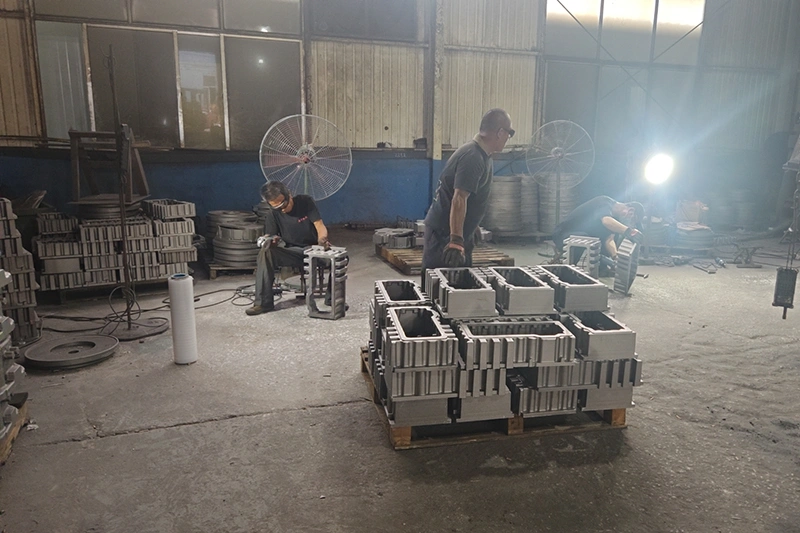
two men work in a warehouse on sand casting, with a fan providing airflow in the background