KT METAL CASTING LOGO

KT Metal Castings Blogs

How to Make a Sand Mold for Aluminum Casting

Green sand foundries have a dirty secret: the average rejection rate sits around 5%. That’s 50,000 defective parts per million—fifty times higher than typical manufacturing standards. I’ve watched new foundry workers struggle with mold preparation for years. They mix the sand wrong. They pack it too loose or too tight.…

What Kind of Sand is Used in Aluminium Casting

The right sand makes all the difference in*aluminium casting – it determines whether you get a smooth, precise metal part or a rough, defective one. Foundries primarily use five types of sand: silica, chromite, zircon, olivine, and synthetic ceramic sands, each chosen for specific properties like heat resistance, surface finish…

How to Make Sand Casting Mold

Sand casting mold making is one of the oldest and most versatile metal forming techniques you can learn. You create a cavity in sand that matches your desired part, pour in molten metal, and get a solid casting when it cools. It’s like making a sandcastle at the beach, except…

Types of Moulding Sand

Molding Sands are specially prepared mixtures of sand, clay, and water that form the molds used to shape molten metal into finished parts. Think of it like making sandcastles at the beach – except these “sandcastles” need to withstand temperatures hot enough to melt steel while maintaining precise shapes down…

Can I Do Sand Casting at Home

Yes, you absolutely can do sand casting at home with basic tools, the right materials, and proper safety equipment. Thousands of hobbyists successfully cast aluminum, brass, and other metals in their garages and backyards using this ancient technique that’s been around for over 5,000 years. Sand casting is essentially making…

How to Make Casting Sand at Home

Casting sand is a specially prepared mixture that holds its shape when packed around an object, allowing you to create molds for metal casting projects. You can make professional-quality casting sand at home with just a few simple ingredients that cost less than $20 total. Making your own casting sand…

What Is the Difference Between Silica Sand and Regular Sand

The main difference between silica sand and regular sand is purity – silica sand contains at least 95% pure silicon dioxide, while regular sand is a mix of various minerals with only 50-90% silicon dioxide. You’ve probably encountered both types without realizing it. The sand in your kid’s sandbox? That’s…

Can You Use Normal Sand for Sand Casting

No, you can’t use regular beach or playground sand for sand casting – at least not if you want good results. The sand needs special properties to withstand molten metal temperatures and create clean, detailed castings. Regular sand will crack, create rough surfaces, and might even explode when hot metal…

What is the Mixture Ratio of Sand in Sand Casting

The mixture of sand in sand casting consists of three main ingredients: silica sand (85-95%), a binder like clay or resin (4-10%), and water or other additives (1-5%). This specific combination creates a moldable material that’s strong enough to hold molten metal yet breaks away easily once the metal cools.…

How to Sand Cast 3D Printed Objects

3D printer sand casting combines modern 3D printing technology with the ancient art of metal casting to create complex metal parts affordably. Instead of carving patterns by hand or machining them from wood, you 3D print your pattern and use it to create a sand mold for pouring molten metal.…

CONTACT

contact Us
by email or form
Please feel free to contact us.
Email: [email protected]
We will response your inquiries within 48 hours.
Office: Weifang City, Shandong Province, China.
©︎ 2025 KT METAL CASTINGS Inc.
We Are Here To Help!
Get A Free Quote Within 48 Hours!
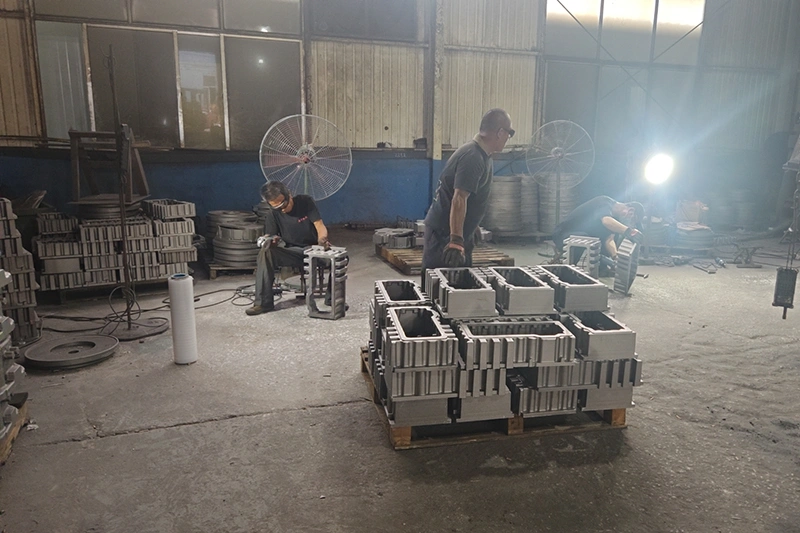
two men work in a warehouse on sand casting, with a fan providing airflow in the background